What is Keratosis Pilaris (KP)?
Table of contents
So what is it?
Keratosis Pilaris (KP) is a common skin condition that causes small, rough bumps to appear, often on the arms, thighs, or face. These bumps are caused by a build-up of keratin, a protein found in the skin, which blocks hair follicles. While KP is harmless and not a serious health concern, it can affect the appearance of the skin, causing redness and a bumpy texture. Many people with KP seek ways to smooth their skin and reduce the appearance of the bumps, and while there is no cure, the condition can be managed with the right care.Despite its prevalence, KP remains underreported. Many individuals may not seek treatment, either because they don’t realize it’s a common condition, or because they believe it's something they must live with without any effective solutions. However, with the right care, treatments, and ongoing management, KP can be kept under control, offering individuals smoother, clearer skin and improved confidence.
Around the world, KP can also be linked to other skin conditions, such as eczema or dry skin, and it may be more noticeable during seasonal changes when skin tends to be drier. Although KP is not a harmful condition and does not cause physical pain, it is a persistent and often frustrating issue for those affected. With a growing awareness of the condition, more individuals are seeking out treatments that can help manage and improve their skin texture.
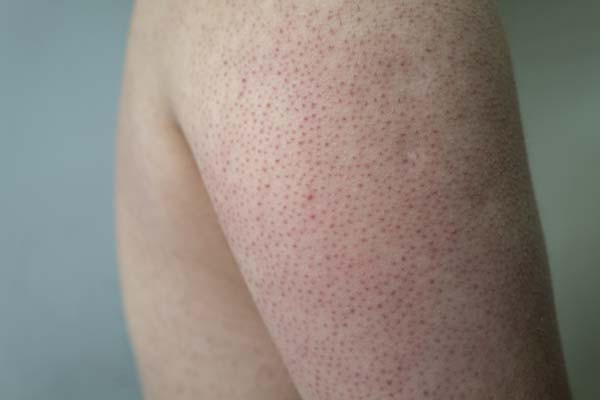
Do you have KP?
If you’ve noticed small, rough bumps on your skin, particularly on the arms, thighs, or face, you may have Keratosis Pilaris (KP). This condition is caused by a buildup of keratin, which blocks hair follicles and creates the characteristic bumps. KP is most common in children and young adults, though it can occur at any age.
KP is typically harmless, but it can affect the appearance of your skin. Other common signs include:
- Red or flesh-colored bumps
- Dry, rough patches of skin
- Itchiness or irritation in affected areas
If you’re experiencing these symptoms, it’s likely that you have KP. While there’s no cure, there are ways to manage the condition and improve the appearance of your skin.
Causes of KP
The exact cause of Keratosis Pilaris is not fully understood, but several factors contribute to its development:
- Genetic predisposition: KP often runs in families
- Overproduction of keratin: This protein builds up and clogs hair follicles
- Hormonal changes: KP can worsen during puberty, pregnancy, or menopause
- Dry skin conditions: People with eczema or very dry skin are more prone to KP
While these factors contribute to KP, it's important to note that the condition is not caused by poor hygiene or diet.
Treatment Options
Although there's no cure for KP, several treatments can help manage symptoms and improve skin appearance. One of the most effective options is our specialized product that combines urea and retinol:
- Urea: This ingredient acts as both a moisturizer and an exfoliant. It breaks down keratin, reducing the buildup that causes KP bumps, while also hydrating the skin. Research has shown that urea-containing products can significantly improve skin hydration and reduce symptoms of KP.
- Retinol: A form of vitamin A, retinol promotes skin cell turnover and can improve skin texture. Studies have demonstrated that topical retinoids can effectively reduce the appearance of KP bumps and redness .
- Synergistic effects: The combination of urea and retinol provides both immediate and long-term benefits, addressing multiple aspects of KP management. This dual-action approach has been shown to be more effective than single-ingredient treatments.
It's important to note that while our urea and retinol product offers significant benefits, individual results may vary. Consistency in application is key to seeing improvements in KP symptoms. As always, it's recommended to consult with a dermatologist to determine the best treatment plan for your specific case of KP.
Ademola, J., et al. (2002). The effect of urea on dry, itchy skin in atopic patients. Journal of Cosmetic Dermatology, 1(3), 151-157.
Gerbig, A. W. (2002). Treating keratosis pilaris. Journal of the American Academy of Dermatology, 47(3), 457.
Kootiratrakarn, T., et al. (2015). Epidermal permeability barrier in the treatment of keratosis pilaris. Dermatology Research and Practice, 2015, 205012.
Lifestyle and Diet
While KP is not directly caused by lifestyle factors, certain habits can help manage the condition:
- Stay hydrated: Drink plenty of water to keep your skin hydrated from the inside out
- Use a humidifier: This can help prevent dry skin, especially in winter months
- Avoid hot showers: Hot water can strip skin of natural oils, exacerbating dryness
- Wear loose clothing: Tight clothes can irritate KP-affected skin
Some people find that dietary changes, such as increasing intake of omega-3 fatty acids or reducing dairy consumption, can help improve their KP symptoms. However, more research is needed to confirm these effects.
Common Myths
There are several misconceptions about KP that it's important to address:
- Myth: KP is contagious - It's not; it's a genetic condition
- Myth: Scrubbing harder will remove KP bumps - Harsh scrubbing can actually worsen the condition
- Myth: KP will go away on its own - While it may improve with age, KP often requires ongoing management
- Myth: Tanning helps KP - While symptoms may appear less noticeable with a tan, UV exposure can damage skin